
Selling Your UK Business / Professional Moving to Dubai? What You Need to Know

Moving to Dubai as a Business Owner or Professional? The Key Tax and Investment Considerations
By Russell Hammond FPFS FCSI – Chartered Financial Planner | AES International UK & Dubai Office
As a Chartered Financial Planner working across both the UK and the UAE, I regularly advise successful entrepreneurs and senior professionals who are planning to either sell their UK-based business or relocate to Dubai for a new chapter in their career. With no personal income tax, zero capital gains tax, and an exceptional quality of life, it’s no wonder Dubai is such an attractive destination.
However, whether you’re selling a UK business and moving to Dubai or relocating as a senior professional, timing and careful planning are essential. A misstep can lead to a significant and unexpected UK tax bill—even after you’ve left the country.
This article explains how to structure your move to maximise tax efficiency, avoid common pitfalls, and invest the proceeds wisely—both for your time in Dubai and a possible future return to the UK.

Selling a UK Business from Dubai: Tax Timing Is Everything
The UK has a complex set of rules around tax residence. Many assume that simply moving abroad before selling their business avoids UK Capital Gains Tax. Not necessarily.
If you’ve been UK resident in four of the last seven tax years, and you return to the UK within five full tax years of departure, the temporary non-residence rules could apply. In that case, HMRC can retrospectively charge you UK Capital Gains Tax on the business sale—even if you sold while living in Dubai.
Key rule: To fully escape UK CGT, you must become non-UK resident before selling and remain non-resident for at least five complete UK tax years.
This makes the timing of your departure, your tax status, and your disposal date essential. Planning ahead—ideally 6–12 months in advance—is vital.
Case Study 1 – “James: The Founder Who Moved Too Fast”
James, a 52-year-old tech entrepreneur, sold his software company for £4.2 million shortly after relocating to Dubai. He hadn’t factored in the UK’s temporary non-residence rules and returned to the UK just three years later to be closer to family. HMRC assessed the entire gain, and James faced an unexpected CGT bill of over £800,000. With better planning, he could have sold after fully breaking UK tax residency and avoided the charge altogether.
Split-Year Treatment and Business Asset Disposal Relief
You might qualify for split-year treatment, allowing part of your tax year to be treated as non-resident. But this doesn’t always apply to capital gains, and the rules are tightly defined.
Alternatively, if you sell while still UK-resident, you might be eligible for Business Asset Disposal Relief, meaning you’ll pay just 10% CGT on qualifying gains (up to £1 million lifetime allowance). This route can be attractive if your gain is relatively modest and you don’t plan to be non-resident long enough to avoid CGT entirely.
Each route has its merits—but the right answer depends on your timeline, structure of sale, and future plans.
Case Study 2 – “Sophie: Maximising Entrepreneurs’ Relief Before Leaving”
Sophie owned a design consultancy valued at just under £1 million. After receiving a competitive offer, she explored relocating but decided to complete the sale while still UK-resident. Her gain qualified for Business Asset Disposal Relief, and she paid just £100,000 in CGT. She later moved to Dubai with a clean tax slate and reinvested her proceeds using offshore structures, knowing she had locked in her relief efficiently.
After the Sale: How to Invest Tax-Efficiently While Abroad
Selling your business is just one part of the story. What you do after the sale can make just as much difference—especially if you think you might return to the UK in future.
Many expats simply hold large cash balances or build direct investment portfolios, but these aren’t always the most tax-efficient vehicles—particularly once they re-establish UK tax residence.
That’s where offshore investment portfolio bonds come in.
Offshore Investment Portfolio Bonds: A Flexible, Mainstream Planning Tool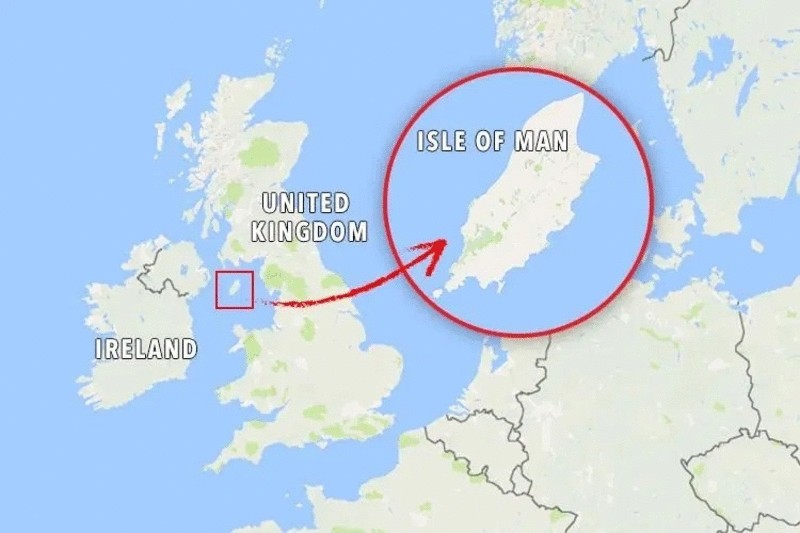
Offshore investment portfolio bonds (based in the Isle of Man), when correctly structured, allow you to:
- Invest in a globally diversified portfolio (funds, ETFs, managed accounts)
- Withdraw up to 5% of your initial investment per year tax-deferred
- Enjoy gross roll-up—no tax on income or gains within the bond while offshore
- Potentially benefit from time apportionment relief if you return to the UK
It’s worth noting that offshore investment portfolio bonds are not some obscure tax shelter. On the contrary, they are widely used by high-net-worth UK residents, private banks, and international wealth planners as a core part of mainstream wealth structuring—particularly for those with cross-border considerations or long-term plans to spend time abroad.
They are offered by large, regulated institutions and can be tailored to suit different levels of complexity, from simple portfolio wrappers to more advanced estate planning vehicles.
Importantly, even after you return to the UK, continuing to hold an offshore investment portfolio bond can offer ongoing tax efficiency. Withdrawals can still be taken under the 5% annual allowance rules, with tax only potentially due later—allowing you to carefully manage income and avoid unnecessary tax spikes. The ability to control the timing of when gains are realised makes it a valuable long-term planning tool for those re-establishing UK tax residency.
Time Apportionment Relief (TAR)
If you return to the UK and later surrender your offshore bond, time apportionment relief can reduce the UK tax due. The gain is reduced proportionately based on how long you were non-UK resident while holding the bond.
Example:
If you held the bond for 10 years, and were non-UK resident for 7 of those years, then only 30% of the gain would be taxable in the UK.
This is a significant advantage over holding assets directly, where 100% of gains may be taxable on your return.
Case Study 3 – “Mark and Priya: Planning for a Return”
Mark and Priya sold their UK logistics business for £6.8 million and moved to Dubai to raise their young family. Rather than hold the proceeds in cash or direct shares, they invested £5 million into an offshore investment portfolio bond. After eight years abroad, they returned to the UK for their children’s secondary education. When they later surrendered part of the bond, only 25% of the gain was taxable due to time apportionment relief—saving them hundreds of thousands in UK income tax.
Protecting and Growing Your Wealth
Alongside offshore bonds, other options might include:
- International pensions (such as QROPS or SIPPs with non-UK custodians)
- UAE property or global real estate holdings
- Family Investment Companies (if still UK-connected and appropriately advised)
- Trusts, if there’s a longer-term estate planning or generational wealth angle
The goal is not just to reduce tax—but to build a compliant, efficient, and portable investment structure that works whether you’re in Dubai, back in London, or living globally.
Case Study 4 – “Amira: Blending UK and Offshore Planning”
Amira, a UK-domiciled consultant, exited her media agency and split her wealth between a UAE property, a diversified offshore investment portfolio bond, and a QROPS pension. Her trust-based estate plan also allowed for smooth intergenerational transfers. This holistic setup meant that regardless of where she eventually retired, her finances remained efficient, compliant, and tailored to her family’s long-term needs.
Final Thoughts
Selling your UK business and moving to Dubai can create enormous opportunity—financially and personally. But it also comes with tax traps that many founders don’t see until it’s too late.
With the right advice, you can:
- Avoid UK Capital Gains Tax entirely

- Invest tax-efficiently while abroad
- Structure your wealth to remain efficient even if you return to the UK
As a Chartered Financial Planner, UK-regulated, and operating from both our UK and Dubai office, I specialise in helping entrepreneurs and HNW families navigate exactly this type of transition. If you’re thinking about making the move, let’s plan it properly from the outset.
Contact me today for a fee-free initial discussion.
My name is Russell Hammond, and I’m a Chartered Fellow of both the PFS and the CISI in the UK. I’ve been advising clients on these matters for 20 years and currently work as a Senior Partner Adviser within award-winning AES International—a firm renound for delivering the highest quality, cross-border, financial advice tailored to professionals and entrepreneurs living and working internationally.
Book your, free, confidential consultation via Teams, here, today
